{{ $json.selected_topic }} | New Orleans Master Plumber Guide
Master plumber diagnostic guide for {{ $json.selected_topic }} in New Orleans. Learn mechanical root causes, safe triage, and repair criteria.
Understanding {{ $json.selected_topic }} in New Orleans Homes
When dealing with {{ $json.selected_topic }}, identifying the root physical mechanism is the first step toward effective remediation. In historic New Orleans properties—ranging from raised shotgun houses to historic Creole cottages—plumbing configurations often combine vintage materials like cast iron or galvanized steel with modern PVC or PEX retrofits. When a failure occurs, it typically stems from a breakdown in hydraulic pressure, venting vacuums, or material degradation accelerated by high regional moisture and shifting alluvial soils.
From a diagnostic standpoint, establishing whether an issue is fixture-specific, localized to a branch line, or originating in the main building sewer is critical. Fixture-specific problems usually point to localized clogs, aerator blockages, or worn cartridges. Branch line issues affect multiple fixtures sharing a common wet vent or drain arm. Main sewer line failures, however, manifest as multi-fixture backups, gurgling toilets when washing machines drain, or damp areas surrounding foundation slab penetrations and crawlspace perimeters.
Overlooked Trade Secrets: Subsurface Realities in New Orleans
Standard DIY guides frequently overlook the complex subterranean variables unique to the Crescent City. Because New Orleans sits below sea level with a high water table and unstable deltaic soils, ground subsidence constantly exerts downward stress on underground piping. Clay tiles and aging cast-iron lateral lines are especially susceptible to offset joints, structural cracking, and aggressive root intrusion from native water-seeking trees like live oaks and bald cypress.
Furthermore, gravity plays tricks on homeowners tracking water damage. Water running along joists and subflooring often travels several feet horizontally before pooling or dripping through drywall, making the visual point of origin far removed from the actual pipe breach. Similarly, vent stack restrictions—often caused by roof debris, bird nests, or scale buildup—create negative pressure vacuums in the drainage system. This airlock effect mimics physical drain clogs, causing slow drainage and gurgling traps even when the pipes themselves are structurally unobstructed.
It is also vital to distinguish between static water pressure (PSI) and dynamic flow rate (GPM). High static pressure measured at a hose bibb can plummet dramatically once multiple fixtures (such as a washing machine, shower, and irrigation system) operate simultaneously, indicating undersized supply lines or severe mineral scale accumulation inside galvanized distribution piping.
Safe Homeowner Triage vs. Dangerous DIY Boundaries
Before attempting any diagnostic assessment or temporary intervention regarding {{ $json.selected_topic }}, every New Orleans homeowner must know the exact location of their main indoor water shutoff valve, typically located near the front hose bibb or where the main water line enters the crawlspace or slab. Knowing how to locate and operate the municipal meter box curb stop (using a specialized meter key) is equally important in emergency scenarios.
Essential Homeowner Triage Steps
- Food Coloring Dye Tests: Add a few drops of colored dye to toilet tanks to check for silent flapper leaks without dismantling mechanical components.
- Water Meter Observation: Monitor the low-flow indicator triangle on the property water meter while all fixtures are off to detect underground supply leaks.
- Accessible Cleanout Inspection: Visually inspect accessible outdoor and indoor cleanouts for signs of seepage, ensuring caps remain intact without unthreading them under pressure.
Critical Safety Warnings
- Never Unthread Pressurized Cleanouts: Removing a sewage cleanout cap under liquid head pressure can result in an uncontrolled discharge of hazardous grey and black water.
- Avoid Corrosive Chemical Cleaners: Pouring caustic acid or lye-based chemical clearing agents into vintage cast-iron drainage systems accelerates interior pipe corrosion and can severely burn skin or eyes upon contact.
- Electrical Hazards in Crawlspaces: Never enter a flooded pier-and-beam crawlspace or basement without first confirming that main electrical circuits feeding the area are safely de-energized.
Diagnostic Comparison: Symptoms, Causes, and Professional Action
| Observable Symptom | Primary Mechanical Cause | Appropriate Action Level |
|---|---|---|
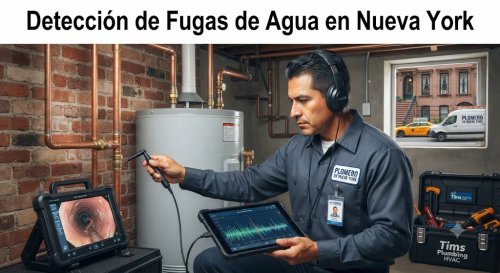
| Slow draining fixtures throughout the house | Main sewer line obstruction, root intrusion, or vent stack blockage | Professional video camera inspection and mechanical snaking |
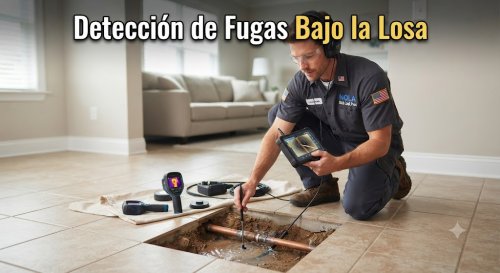
| Damp soil or unexplained settling near foundation | Underground supply line leak or compromised sewer lateral | Acoustic leak detection and localized excavation or trenchless repair |
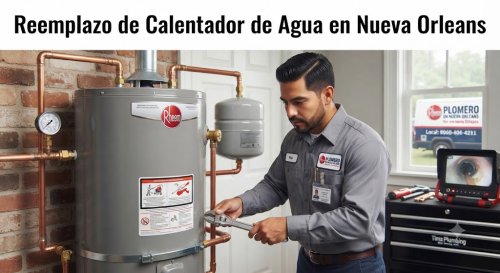
| Sudden drop in hot water volume and rusty discoloration | Severe thermal sediment accumulation or anode rod failure | Water heater flush, component replacement, or tank renewal |
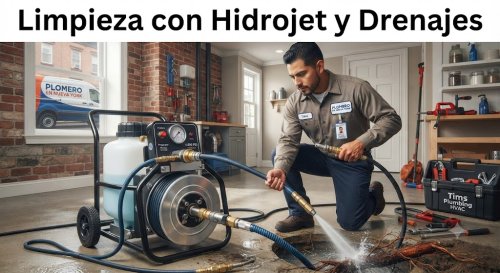
| Gurgling sounds when flushing toilets or running sinks | Inadequate system venting or developing downstream restriction | Roof vent inspection and branch line hydro-jetting |
Realistic Repair Approaches and Decision Support
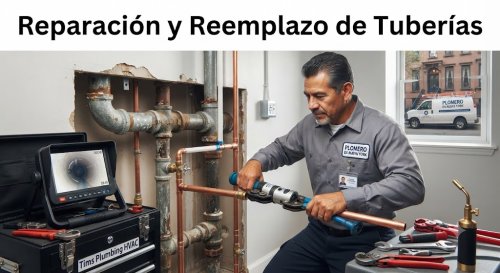
When addressing structural plumbing failures related to {{ $json.selected_topic }}, repair strategies must balance longevity, cost-effectiveness, and property preservation. For localized pipe breaches in accessible pier-and-beam crawlspaces, a spot repair utilizing a stainless steel repair clamp or replacing a targeted section of piping is often straightforward. However, subterranean failures beneath concrete slab foundations or deep within corrosive soil require more advanced engineering approaches.
Trenchless pipe lining (CIPP) and epoxy coating offer non-invasive alternatives to traditional trench excavation, preserving historic floorboards and landscaping. When evaluating repair versus replacement, consider the age of the overall system, material degradation rates, and historical repair frequency. In New Orleans, municipal permit requirements enforced by the Sewerage and Water Board (SWBNO) and local parish building departments dictate specific compliance standards for main sewer tie-ins and backwater valve installations, particularly in flood-prone zones.
Frequently Asked Questions
1. How does the high water table in New Orleans affect underground plumbing?
The elevated water table and saturated alluvial soils create constant hydrostatic pressure against subterranean pipes. This environmental stress accelerates soil shifting, causing joint separation in older clay and cast-iron sewer lines, which subsequently invites root intrusion.
2. Why do my drains gurgle when the washing machine empties?
Gurgling indicates that trapped air is escaping backward through plumbing traps because the drainage system lacks proper ventilation. This can be caused by a blocked roof vent or an overloaded branch drain line struggling to handle high-volume discharge.
3. Can I use mechanical rooters on vintage cast-iron pipes?
Standard rotating steel cables can be used cautiously by experienced operators, but aggressive mechanical cutting heads risk damaging thin, corroded interior walls of century-old cast iron. A preliminary video camera inspection is mandatory to assess pipe wall integrity before clearing.
4. What is the difference between a main water shutoff and a curb stop?
The main indoor shutoff valve is located inside your property footprint (crawlspace, utility closet, or perimeter wall) for everyday convenience. The curb stop is located in the municipal utility box near the property line and is operated with a specialized wrench to shut off water at the city supply main.
5. Why do water bills spike without any visible plumbing leaks inside the house?
Unexplained consumption increases typically point to a silent toilet flapper leak or an underground service line leak situated between the water meter and the home foundation. Monitoring the low-flow dial on your water meter helps confirm continuous flow.
6. How do historic pier-and-beam foundations complicate plumbing repairs?
While pier-and-beam foundations offer easier crawlspace access compared to concrete slabs, vintage homes often feature low clearance, uneven grading, and fragile legacy materials that require careful maneuvering to avoid destabilizing structural support beams during major repiping projects.